Why Some Steel Buildings Overheat And How Smart Architecture Prevents It
 Published On:
 Steel buildings are known for strength, durability, and long-term performance. They are used for garages, workshops, warehouses, RV covers, agricultural structures, and even modern homes. Yet many people still believe one thing about metal buildings: they become unbearably hot during summer.
That concern is not completely wrong. Some steel buildings do overheat badly. In many cases, the indoor temperature becomes uncomfortable enough to affect productivity, vehicle storage conditions, equipment life, and energy costs. However, the real problem is not steel itself. The real issue is poor architectural planning.
Modern steel building design has evolved far beyond basic metal structures. Today’s smart steel architecture uses ventilation science, reflective roofing systems, insulation engineering, roof orientation, and airflow planning to control indoor heat efficiently. When designed correctly, steel buildings can remain surprisingly comfortable even in extremely hot climates.
This blog explores why some steel buildings trap heat, what science says about thermal behavior in metal structures, and how smart architectural choices solve these problems before they start.
Why Steel Buildings Get Hot
Many people assume steel creates heat on its own. In reality, steel transfers heat very quickly because it is highly conductive. That means it absorbs external heat faster than many traditional materials and also transfers that heat inside the structure if proper thermal protection is missing.
According to studies from the U.S. Department of Energy, metal roofs can reach temperatures above 150°F during peak summer sunlight when dark coatings and poor ventilation systems are used. The indoor environment then becomes uncomfortable because trapped heat has nowhere to escape.
The Problem Is Usually Poor Design, Not Steel
A properly engineered steel structure behaves very differently from a poorly planned one. Roof shape, ventilation pathways, insulation thickness, color selection, and panel orientation all influence thermal performance.
Many low-cost buildings overheat because builders focus only on structural strength while ignoring thermal control. This often leads to problems like:
| Common Design Mistake | Result |
| Poor roof ventilation | Heat gets trapped under the roof |
| Dark roof colors | Higher solar heat absorption |
| Thin insulation | Faster indoor temperature rise |
| Improper roof orientation | Uneven heat buildup |
| Lack of airflow design | Hot stagnant indoor air |
| Cheap roofing systems | Higher radiant heat transfer |
This is one reason why many property owners now prefer advanced solutions like vertical roof garages because vertical panels improve water drainage, airflow efficiency, and long-term thermal performance.
How Heat Actually Builds Up Inside Steel Buildings
To understand overheating, it is important to understand how thermal energy moves through a structure. Heat inside steel buildings generally comes from three major sources: solar radiation, conductive heat transfer, and trapped indoor air.
Solar Radiation Creates the First Layer of Heat
When sunlight hits a steel roof directly, the metal surface absorbs solar energy rapidly. Dark-colored roofs absorb more radiation than lighter reflective surfaces. The absorbed heat then moves through the roof panels into the building interior.
Research from Oak Ridge National Laboratory shows that reflective roofing systems can reduce roof surface temperatures by up to 50°F compared to traditional dark metal roofs. This significantly lowers indoor heat accumulation.
Conductive Heat Transfer Makes the Situation Worse
Steel transfers heat quickly because it has high thermal conductivity. If insulation layers are weak or improperly installed, heat easily moves from the roof into the interior space. This becomes especially problematic in large workshops, garages, and storage facilities where direct sunlight exposure lasts for hours.
Trapped Air Turns Buildings Into Heat Chambers
The final issue is trapped hot air. Heat naturally rises upward. Without ridge vents, airflow openings, or ventilation systems, hot air accumulates beneath the roof and slowly increases indoor temperatures throughout the day. This problem becomes common in enclosed garages and storage units without proper airflow planning.
Why Roof Design Plays a Bigger Role Than Most People Realize
Many people focus heavily on walls and insulation when discussing heat control, but roof architecture often determines whether a steel building remains comfortable or becomes a heat trap. The roof receives the highest direct sunlight exposure during the day. Poor roof geometry can increase radiant heat buildup dramatically.
Vertical Roof Systems Improve Thermal Performance
Vertical roof systems are considered one of the best options for long-term performance because the panels allow smoother water runoff and better airflow movement. They also reduce dirt buildup, which helps reflective coatings perform efficiently over time.
Compared to horizontal roof systems, vertical panels often maintain better energy efficiency because they support cleaner drainage and reduce heat retention areas. This is why modern commercial structures increasingly favor vertical roofing systems over traditional horizontal panel designs.
Boxed-Eave Roofs Offer Better Airflow Balance
Modern boxed-eave garages are popular because they create a cleaner roofline while supporting balanced airflow systems. Their A-frame appearance also improves rainwater movement and structural balance. When combined with ridge ventilation and reflective roof coatings, boxed-eave systems can significantly reduce indoor heat buildup compared to older roof styles.
Roof Pitch Influences Heat Retention
Roof slope also affects thermal behavior. Low-slope roofs sometimes trap heat pockets because rising hot air moves slowly. Properly designed pitched roofs improve natural convection and encourage hot air escape. This is especially important in large agricultural and industrial steel buildings where roof space volume directly affects air circulation.
The Science Behind Reflective Roof Coatings
One of the most effective ways to reduce overheating is by controlling solar reflectance. Reflective roofing technology has become a major advancement in modern steel architecture. Instead of absorbing sunlight, reflective surfaces redirect a large portion of solar energy away from the structure.
Cool Roof Technology Reduces Indoor Temperatures
The Cool Roof Rating Council and the U.S. Department of Energy both support reflective roofing systems for reducing heat gain in commercial and residential buildings.
Cool roofs work through two important properties:
| Property | Function |
| Solar Reflectance | Reflects sunlight away from the roof |
| Thermal Emittance | Releases absorbed heat more efficiently |
Light-colored steel roofs with reflective coatings can lower cooling demands significantly during summer months.
Color Selection Has a Bigger Impact Than Most Owners Expect
Roof color is not only about appearance. Dark roofs absorb more solar radiation, while lighter surfaces reflect more heat. Studies published by the Lawrence Berkeley National Laboratory found that reflective roofing materials can reduce cooling energy use by 10% to 30% in warm climates.
For steel garages, RV covers, and workshops in southern states, roof color selection becomes a major design decision rather than a cosmetic one.
Why Ventilation Is the Real Hero of Heat Control
Ventilation is often the difference between a usable steel building and an uncomfortable one. Smart airflow planning removes trapped heat before it spreads through the entire structure. Without ventilation, even high-quality insulation systems can struggle.
Ridge Vents Allow Heat to Escape Naturally
Hot air naturally rises. Ridge vents use this basic physics principle to allow heat to leave through the roof peak. As hot air escapes upward, cooler air enters from lower openings. This creates continuous airflow movement without relying completely on mechanical cooling systems.
Cross Ventilation Improves Indoor Comfort
Cross ventilation happens when air enters from one side of the building and exits through another. Proper window placement, vent positioning, and door orientation improve airflow dramatically. Large garages and workshops benefit especially from this design because stagnant hot air can affect equipment storage and work conditions.
Open Structures Stay Cooler Naturally
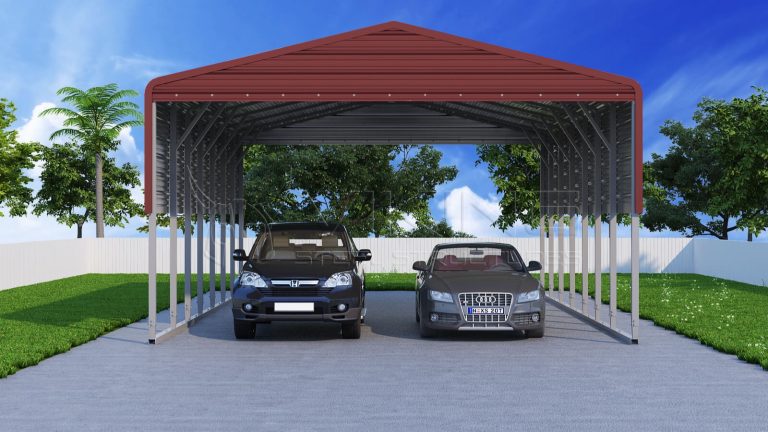
Partially open designs, such as lean-to carports, often stay cooler because airflow remains unrestricted. Open-sided structures prevent heat accumulation by allowing constant air movement. This is also one reason why many RV owners choose partially ventilated structures when researching how to protect an RV from sun and hail in hot climates.
Insulation Is More Complex Than Simply Adding Thickness
Many people think thicker insulation automatically solves overheating. In reality, insulation performance depends on installation quality, vapor control, radiant barriers, and airflow integration. Poorly installed insulation often creates moisture and condensation problems inside steel structures.
Radiant Barriers Help Block Heat Transfer
Radiant barriers reflect thermal radiation before it enters the building interior. These systems work especially well under metal roofs because they reduce radiant heat transfer from hot roof panels. Combined with reflective coatings and ventilation systems, radiant barriers improve indoor comfort significantly.
Spray Foam Creates Better Thermal Sealing
Spray foam insulation expands into small gaps and prevents thermal leakage. This creates stronger thermal resistance compared to many traditional insulation methods. It also reduces air infiltration, which helps stabilize indoor temperatures.
Moisture Control Matters Just as Much
Condensation becomes a serious issue when hot external temperatures meet cooler indoor surfaces. Poor vapor management can lead to corrosion, mold growth, and insulation damage over time. This is why thermal control and moisture management should always be designed together in steel buildings.
Smart Architecture Uses Building Orientation Strategically
The direction a building faces affects how much solar heat it absorbs during the day. This is one of the most overlooked aspects of steel building design. Architects often position buildings strategically to reduce direct heat exposure during peak sunlight hours.
Sun Path Analysis Helps Reduce Heat Gain
Modern architectural planning uses sun path studies to determine where sunlight hits the structure most aggressively throughout the day. In hot climates, reducing western sun exposure can significantly lower afternoon indoor temperatures.
Shade Design Can Lower Surface Temperatures
Overhangs, surrounding trees, adjacent structures, and covered extensions reduce direct roof exposure. Smart shading systems help lower roof surface temperatures naturally. Larger layouts like three car carports often benefit from extended roof coverage because they create additional shaded areas around vehicles and storage zones.
Stronger Steel Buildings Also Support Better Thermal Systems
Structural quality influences thermal performance more than many people realize. Weak framing systems can limit insulation options, ventilation placement, and roof stability. Higher-quality steel systems support advanced architectural features more effectively.
Heavier Gauge Steel Improves Long-Term Stability
Premium systems like 14 gauge steel building structures provide stronger framing support for larger ventilation systems, insulated roof assemblies, and advanced roofing materials. This becomes especially important in regions with extreme weather conditions.
Wind Engineering Also Affects Heat Performance
Wind movement influences ventilation efficiency and cooling potential. Buildings designed according to proper steel building wind load requirements often perform better because airflow behavior is already integrated into structural planning. Proper wind engineering improves both structural safety and thermal comfort.
The Long-Term Cost of Overheating Steel Buildings
Overheating does more than create discomfort. It increases operational costs, damages stored equipment, affects productivity, and shortens material lifespan. Many property owners underestimate how expensive poor thermal planning becomes over time.
Cooling Costs Rise Quickly
Buildings with poor insulation and ventilation require larger cooling systems and higher electricity usage during the summer months. According to Energy Star research, reflective roofing and insulation improvements can reduce annual cooling expenses significantly in warm regions.
Heat Damages Stored Equipment
Extreme indoor temperatures can damage electronics, tools, machinery, vehicle interiors, and stored materials. Garages and workshops without thermal protection often experience faster wear on sensitive equipment.
Poor Design Increases Maintenance Costs
Excessive heat contributes to material expansion, fastener stress, sealant breakdown, and premature roof aging. Investing in proper design early usually costs less than constant repairs later. This becomes important when calculating how much a metal building cost over the structure’s lifetime rather than only the initial purchase price.
Modern Steel Buildings Are Becoming Smarter
The steel building industry is evolving rapidly. Today’s structures are designed not only for strength but also for energy efficiency, environmental performance, and occupant comfort. Advanced architectural strategies now combine structural engineering with thermal science.
Passive Cooling Is Becoming More Popular
Passive cooling systems reduce dependence on mechanical air conditioning. These designs use airflow, reflective materials, insulation, and roof geometry to stabilize indoor temperatures naturally. This approach lowers both energy use and long-term operational costs.
Sustainable Steel Design Is Growing Fast
Architects now integrate sustainable materials, solar-ready roofing systems, cool roof technology, and high-efficiency ventilation into modern steel buildings. These improvements help steel buildings compete strongly with traditional construction in terms of comfort and energy performance.
Final Thoughts
Steel buildings do not overheat simply because they are made of metal. Most overheating problems come from poor planning, weak ventilation, low-quality insulation, and outdated architectural design.
Modern steel architecture has changed dramatically. Today’s well-designed steel buildings use reflective roofing, smart ventilation systems, thermal insulation, airflow engineering, and strategic roof geometry to control indoor temperatures effectively.
The difference between an uncomfortable heat trap and a comfortable steel structure often comes down to design intelligence.
Looking for a metal building that fits your needs?