Metal RV Cover: How to Protect Your RV from Sun, Hail, and More [2026 Guide]
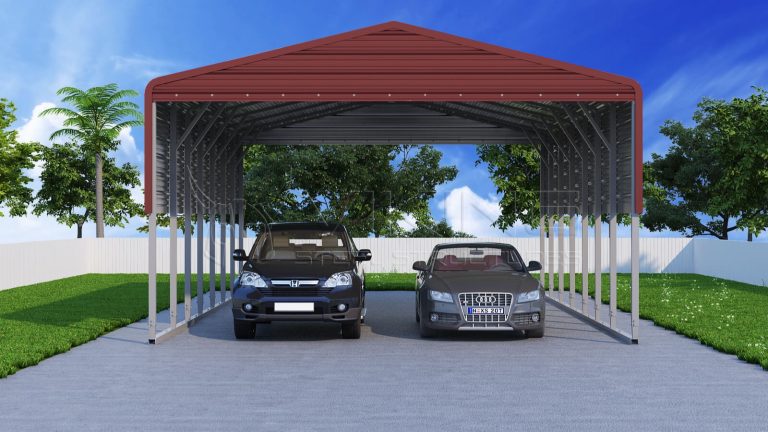
![Metal RV Cover: How to Protect Your RV from Sun, Hail, and More [2026 Guide]](https://storage.googleapis.com/stateless-vikingsteelstructure/2026/04/d04af3a9-metal-rv-cover-how-to-protect-your-rv-from-sun-hail-and-more.webp "Metal RV Cover: How to Protect Your RV from Sun, Hail, and More [2026 Guide]") Published On:
Published On: Your RV represents tens of thousands of dollars — and for millions of Americans, it represents something even more valuable: freedom, adventure, and family memories built mile by mile. Yet most RV owners leave that investment sitting in a driveway or field, exposed to the full force of the American climate.
That’s a costly mistake.
In 2026, hail damage claims on recreational vehicles are averaging $3,000–$8,000 per incident. UV-related paint and interior deterioration can quietly slash resale value by 20–30% in just a few years. And a single Texas hailstorm or a Colorado mountain winter can do in one season what years of road use couldn’t.
A metal RV cover is the single most effective, permanent solution to these threats — and it costs far less than one major repair bill.
This guide is written for US RV owners who are done gambling with weather and ready to make a smart, one-time investment. Whether you’re in tornado-prone Oklahoma, sun-scorched Arizona, or snow-heavy Pennsylvania, you’ll learn exactly what weather threats your RV faces, what they cost when they hit unprotected vehicles, and how a steel RV carport or prefab RV cover eliminates that risk permanently.
Table of Contents
- Why Leaving Your RV Exposed Is an Expensive Gamble
- Threat #1: Sun and UV Damage
- Threat #2: Hail — The Most Underestimated RV Killer
- Threat #3: Wind, Debris, and Storms
- Threat #4: Snow, Ice, and Moisture
- Why a Metal RV Cover Beats Every Other Option
- Steel RV Carport Roof Styles Explained
- How to Size Your Metal RV Cover Correctly
- Prefab RV Cover vs. Custom Build: Which is Right for You?
- Real Cost Comparison: Damage vs. Cover Investment
- Common Mistakes RV Owners Make When Buying a Carport
- FAQs
1. Why Leaving Your RV Exposed Is an Expensive Gamble
Most RV owners think about protection only after damage occurs. That’s exactly backwards.
Consider this: the average Class A motorhome costs $100,000–$300,000 new. Even a modest travel trailer runs $25,000–$60,000. Weather-related deterioration doesn’t announce itself — it accumulates silently through every season until the repair bills, failed components, and declining resale value become impossible to ignore.
The math is simple. A metal RV cover starting around $3,000–$5,000 is a one-time investment with a 20-year warranty lifespan. A single hailstorm, a summer of UV exposure, or one roof-collapsing snow event can cost more than that in repairs alone.
This is not a “maybe someday” purchase. For RV owners across the US, it’s the most cost-effective protective decision they can make.
2. Threat #1: Sun and UV Damage — The Silent Value Killer
What It Does to Your RV
Direct solar exposure is one of the most destructive forces an RV faces. UV radiation works on every surface simultaneously, and the damage compounds year after year.
Exterior damage:
- Oxidizes and fades paint finish, turning a glossy coat chalky and dull
- Cracks and peels gel coat on fiberglass sidewalls
- Degrades rubber roof seals and caulking, creating leak pathways
- Warps plastic trim, vents, and vent covers
Interior damage:
- Fades and cracks dashboard and steering wheel
- Bleaches upholstery, carpet, and window treatments
- Degrades adhesives holding cabinet faces and flooring
- Shortens lifespan of electronics and appliances exposed to heat buildup
The Dollar Impact
In states like Arizona, Nevada, New Mexico, and Texas, where UV index values regularly exceed 10+ for 6+ months a year, an unprotected RV can lose its exterior finish appeal within 3–5 years. Repainting an RV runs $3,000–$10,000+ depending on size and condition. Rubber roof replacement averages $3,000–$6,000.
A metal RV cover blocks UV radiation entirely. It costs nothing to operate, requires almost no maintenance, and protects every surface simultaneously — permanently.
3. Threat #2: Hail — The Most Underestimated RV Killer

The Real Scale of Hail Damage in the US
The US “hail belt” — running from Texas and Oklahoma through Kansas, Nebraska, and Colorado — sees hailstorms severe enough to cause serious structural damage dozens of times per season. But hail events have expanded well beyond that corridor. In recent years, severe hailstorms have damaged vehicles across Tennessee, Georgia, Pennsylvania, and the Carolinas.
For an RV, hail is particularly damaging because of the large horizontal surface area of the roof. A single golf-ball-sized hailstone (1.75″) can:
- Dent and penetrate aluminum roofing panels
- Crack or shatter skylights and vent covers
- Damage air conditioning shrouds ($300–$600 to replace each)
- Create micro-punctures in rubber roofs that lead to interior water damage
Average Hail Repair Costs for RVs
| Hail Size | Typical RV Repair Cost |
| Pea-sized (0.25″) | $500–$1,500 (minor dents, vent covers) |
| Marble-sized (0.5″) | $1,500–$4,000 (roof panels, multiple components) |
| Golf ball (1.75″) | $4,000–$12,000+ (structural roof damage, skylights) |
| Softball (4″+) | Total loss or $15,000+ |
A steel RV carport with a vertical roof style provides the most robust hail defense available outside of a fully enclosed garage. Vertical roof panels shed hailstones at an angle rather than taking a direct perpendicular impact, dramatically reducing dent risk to the structure itself — and completely shielding your RV below.
Regional Hail Risk Map: What US Buyers Need to Know
- Texas, Oklahoma, Kansas: Extreme hail risk — vertical roof steel RV carport strongly recommended
- Colorado, Nebraska, Wyoming: High hail frequency — boxed eave or vertical roof required
- Midwest states (Iowa, Missouri): Moderate-high risk — upgrade beyond regular roof style
- Southeast (Tennessee, Georgia, Carolinas): Increasing hail events — do not underestimate
4. Threat #3: Wind, Debris, and Storms

How Wind Damages an Unprotected RV
Even without hurricane-force winds, sustained wind events cause significant RV damage through:
- Flying debris striking sidewalls, windows, and slide-out panels
- Sustained wind pressure fatiguing and cracking seals and gaskets
- Tree limbs falling onto thin aluminum or fiberglass roofs
- Awning damage when deployed or partially deployed during a windstorm
In tornado-prone regions like the Southern Plains and Midwest, the risk is even more severe. While no open carport protects against a direct tornado hit, a properly engineered steel RV carport anchored to a concrete slab significantly reduces damage from peripheral high-wind events and common storm debris.
Anchoring and Engineering Matter
Not all metal RV covers are built equal when it comes to wind resistance. Look for:
- Certified buildings engineered for local wind load requirements
- Concrete anchor installations (superior to ground anchor options in high-wind areas)
- 14-gauge steel framing at minimum for structural rigidity
- Enclosed end panels or gable ends to reduce wind-tunnel effect through the structure
In Oklahoma and Kansas, where wind events are frequent and severe, a fully enclosed steel RV carport or RV barn with certified wind ratings is the recommended choice.
5. Threat #4: Snow, Ice, and Moisture

The Weight Problem
Snow accumulation on an RV roof is a slow-motion structural event. Many RV roofs are engineered to tolerate only light, evenly distributed loads. A foot of wet, heavy snow can weigh 20+ pounds per square foot — far exceeding what many RV roofs can safely handle.
Consequences of unprotected winter storage:
- Roof panel deformation and cracking
- Gutter and trim damage from ice dam formation
- Water infiltration through compromised seams leading to interior rot and mold
- Plumbing damage if water lines freeze (repair: $500–$3,000+)
The Moisture Problem
Even without snow, unprotected outdoor storage in humid climates — Florida, the Gulf Coast, Pacific Northwest — creates persistent moisture issues:
- Mold and mildew growth in interior soft goods
- Corrosion of exterior metal components and frame
- Condensation damage to electrical systems
How a Metal RV Cover Solves Both
A vertical roof steel RV carport channels snow and rain off the structure efficiently due to the steep panel orientation. Snow slides off rather than accumulating, reducing both structural load on the carport and any potential drift onto the RV.
For extreme winter climates (northern Pennsylvania, Ohio, New York, Indiana), consider a prefab RV cover with enclosed sides for maximum moisture protection. Adding side panels creates a barrier against blowing snow and sleet that open-carport designs cannot match.
6. Why a Metal RV Cover Beats Every Other Option
RV owners typically consider three protection options: fabric covers, wood structures, or steel. Here’s an objective comparison.
Fabric/Tarp RV Covers
- Lifespan: 2–5 years average
- Protection level: Partial UV, minimal hail/wind protection
- Annual cost: $150–$400 replacement cycle + installation time
- Issues: Traps moisture, causes oxidation, tears in wind, requires removal for access
Wood Carport or Garage
- Lifespan: 15–25 years with significant maintenance
- Protection level: Good when new, degrades without upkeep
- Issues: Requires painting, staining, termite treatment; rot-prone in wet climates; longer build time; higher labor cost
Steel RV Carport / Metal RV Cover
- Lifespan: 20+ years (backed by manufacturer warranty)
- Protection level: Full UV block, excellent hail/wind/snow resistance
- Material: 100% galvanized steel — rust and corrosion resistant
- Maintenance: Near zero — no painting, no treatment, no seasonal prep
- Installation: Delivered and installed, typically in one day
- Cost: One-time investment starting around $3,000–$5,000 for standard sizes
The verdict is straightforward: a prefab RV cover made of galvanized steel is the only RV protection option that provides permanent, multi-threat coverage with no ongoing maintenance cost.
7. Steel RV Carport Roof Styles Explained

When choosing a steel RV carport, roof style is one of the most important decisions you’ll make. Each style has different performance characteristics and price points.
Regular Roof (Horizontal Panels)
- Most affordable option
- Roof panels run horizontally along the length of the structure
- Rounded corners at the edges
- Best for: Mild climates with limited precipitation — parts of the South and lower Midwest
- Limitation: Water and debris can collect at panel joints over time
Boxed Eave / A-Frame Roof
- Mid-tier pricing — slight step up from regular
- Gives the structure a conventional peaked roofline appearance
- Better sheds water than regular style
- Best for: Areas with moderate precipitation and occasional snow
- Suitable for most of the country outside high-snowfall zones
Vertical Roof (Recommended for Most US Buyers)
- Premium option — highest protection, longest lifespan
- Roof panels run vertically from ridge to eave
- Snow, rain, and hail debris shed off efficiently
- No debris collection at panel overlaps
- Best for: High-hail zones, heavy snow regions, high-wind areas, or anyone wanting maximum protection
- Recommended for: Texas, Oklahoma, Colorado, Kansas, Pennsylvania, Ohio, Indiana, and most northern states
For most US buyers, the vertical roof is the right choice. The modest price premium pays for itself the first time a hailstorm passes through.
8. How to Size Your Metal RV Cover Correctly
Getting the sizing wrong is one of the most common and costly mistakes RV owners make. Here’s how to get it right.
Step 1: Measure Your RV
Measure all three dimensions:
- Length: Measure tip-to-tip including any front or rear overhangs, tow hitches, or bumper extensions
- Width: Measure at the widest point — include slide-outs if applicable
- Height: Measure at the tallest point including roof-mounted AC units, antennas, or vents
Step 2: Add Clearance
Do not size the cover for exact fit. Add clearance on all sides:
- Length: Add 4–6 feet total (2–3 feet front and rear)
- Width: Add 2–4 feet (1–2 feet per side) — more if you have slide-outs
- Height: Add 2 feet minimum clearance above highest point
Common RV Type Size Guidelines
| RV Type | Typical RV Dimensions | Recommended Cover Size |
| Small travel trailer | Up to 20′ long, 8′ wide | 12’W x 21’L, 10–12′ side height |
| Standard travel trailer | 20’–30′ long, 8’–8.5′ wide | 14’W x 31’L or 18’W x 31’L |
| Fifth-wheel trailer | 30’–45′ long, up to 10′ wide | 18’W x 36’L or 20’W x 46’L |
| Class A motorhome | 30’–45′ long, up to 10′ wide | 20’W x 46’L or 24’W x 51’L, 14–16′ side height |
| Class C motorhome | 20’–35′ long | 18’W x 36’L or 20’W x 36’L |
Note: If your RV has slide-outs, always go with at least an 18′ wide metal RV cover. Standard 12′ wide options will not accommodate deployed slide-outs for access.
9. Prefab RV Cover vs. Custom Build: Which Is Right for You?
Prefab RV Cover (Factory Pre-Engineered)
A prefab RV cover is manufactured in standard sizes at a factory, shipped to your property, and installed by a professional crew — typically in a single day.
Advantages:
- Faster delivery and installation (weeks, not months)
- Lower cost than custom construction
- Pre-engineered to meet structural standards
- Available with certified ratings for wind/snow loads
- Customizable within size, color, roof style, and add-on parameters
- Delivery and installation typically included in price
Best for: Most residential and rural buyers who need quick, reliable RV protection without construction delays.
Custom Site-Built Structure
A site-built RV garage or carport is built from raw materials on location by a contractor.
Advantages:
- Maximum design flexibility
- Can integrate with existing structures seamlessly
Disadvantages:
- Significantly higher cost
- Longer construction timeline (weeks to months)
- Weather-dependent build schedule
- Requires contractor management and coordination
Best for: Buyers integrating RV storage into a major property development project.
For the vast majority of US RV owners, a prefab RV cover is the smarter choice. You get a permanent, engineered structure at a fraction of the cost and a fraction of the wait.
10. Real Cost Comparison: Damage vs. Cover Investment
Let’s put hard numbers on this decision.
Scenario: Class A Motorhome, Outdoor Storage, Texas (5 Years)
| Risk Event | Probability (5-yr) | Average Repair Cost |
| Hail damage (moderate) | Very high — TX hail belt | $3,500–$8,000 |
| UV paint/roof seal damage | Certainty | $2,000–$6,000 |
| Wind/debris damage | High | $500–$3,000 |
| Water intrusion (rubber roof failure) | Moderate-high | $2,000–$8,000 |
| Total potential 5-year exposure | $8,000–$25,000+ |
Metal RV cover investment (20’W x 51’L vertical roof, TX region): ~$8,000–$12,000 installed
That cover lasts 20+ years. A single bad hailstorm in the Texas panhandle or Hill Country erases the “savings” from not buying one.
Scenario: Travel Trailer, Rural Pennsylvania (Offseason Storage)
| Risk Event | Probability (5-yr) | Average Repair Cost |
| Snow load roof damage | Moderate | $1,500–$5,000 |
| UV and moisture damage | Certainty | $1,000–$3,000 |
| Ice dam/leak damage | Moderate-high | $1,000–$4,000 |
| Total potential 5-year exposure | $3,500–$12,000+ |
Metal RV cover investment (18’W x 36’L, PA region): ~$5,000–$8,000 installed
In most cases, the metal RV cover pays for itself within the first major weather event it prevents.

11. Common Mistakes RV Owners Make When Buying a Carport
Mistake #1: Buying Too Small
The most common sizing error. Buyers measure the RV, then order a cover that matches those dimensions exactly. There’s no clearance for maneuvering, slide-outs, or future additions.
Fix: Always add 4–6 feet in length and 2–4 feet in width beyond your RV’s actual measurements.
Mistake #2: Choosing Regular Roof in a High-Weather Zone
Regular roof style (horizontal panels) is designed for mild climates. Ordering it for a Colorado mountain property or Kansas prairie exposes both the structure and your RV to weather it’s not engineered to handle.
Fix: Match roof style to climate. Hail or snow zones = vertical roof minimum.
Mistake #3: Skipping Certification in Permit-Required Areas
Many counties require building permits for permanent structures. In permit zones, the structure must meet engineering certifications for local snow load and wind speed ratings. Ordering a non-certified building can lead to permit denial and forced removal.
Fix: Always ask your dealer about certified building options for your county and state. A reputable dealer will guide you through this.
Mistake #4: Ignoring Foundation/Anchoring Requirements
Anchoring type matters significantly for long-term stability and permit compliance. Ground anchors are suitable for temporary or light-weather applications. Concrete anchors are the standard for permanent, permit-compliant installations.
Fix: Assess site conditions before ordering. Plan for concrete anchoring in high-wind or permanent installation scenarios.
Mistake #5: Treating It as a Last-Minute Purchase
Many buyers wait until they’ve just parked their RV for the season or until after a damaging weather event. Lead times for custom-sized structures can run several weeks.
Fix: Order before the season changes. Don’t wait until October in the Midwest to start thinking about winter RV storage.
13. FAQs
Q1: How much does a metal RV cover cost in 2026?
Metal RV cover pricing varies by size, roof style, region, and customization. Entry-level regular-roof covers for small travel trailers start around $3,000–$4,500 installed. Mid-range boxed eave or vertical roof covers for Class A motorhomes typically run $8,000–$14,000. Fully enclosed RV barns or garages can reach $15,000–$30,000+. Prices differ slightly by state due to regional material and installation costs — always request a location-specific quote.
Q2: Do I need a permit for a metal RV carport?
Permit requirements vary significantly by county and municipality. Many rural areas have minimal or no permit requirements for open-sided carport structures. Suburban and urban zones often require permits for permanent structures — and those permits may require the building to carry engineering certifications for local wind and snow loads. Always check with your county building department before purchasing. A reputable steel building dealer can provide certified building options that meet permit requirements in your area.
Q3: What’s the difference between a 12-gauge and 14-gauge steel RV cover?
Gauge numbers work inversely — lower gauge = thicker, stronger steel. 12-gauge steel is thicker and stronger than 14-gauge. Most quality steel RV covers are framed with 14-gauge galvanized steel, which is the industry-standard specification for residential and light-commercial applications. 12-gauge options provide additional structural strength in extreme weather zones (heavy snow regions, coastal areas with high sustained winds). For most US buyers, 14-gauge provides excellent protection with good value. In high-load areas, upgrade to 12-gauge framing.
Q4: Can I customize the size of a prefab RV cover?
Yes. Quality prefab RV cover dealers offer a wide range of standard sizes and can customize width, length, and sidewall height to match your specific RV and site requirements. You can also customize roof style, steel color, end panel configuration (open, partial, or fully enclosed), door placement, and anchor type. The customization process is typically handled through a phone consultation with a building specialist who will help you identify the right specs.
Q5: Is a steel RV carport better than a fabric RV cover?
For permanent protection, yes — significantly. Fabric/tarp RV covers require seasonal installation and removal, typically last only 2–5 years, provide minimal hail protection, can trap moisture causing oxidation damage, and represent an ongoing recurring cost. A steel RV carport is a one-time investment with a 20+ year lifespan, provides protection against hail, UV, wind, and snow simultaneously, and requires virtually no maintenance. The math strongly favors steel for anyone who owns land to install it on.
Q6: How long does installation take for a prefab metal RV cover?
Most prefab steel RV covers are installed in a single day by a professional crew. Larger or more complex structures (fully enclosed RV barns, multi-vehicle configurations) may take 1–2 days. Lead time from order to installation is typically 2–6 weeks depending on manufacturer workload, regional demand, and site readiness. Having a level, prepared site ready before the installation date is the single biggest factor in keeping the timeline on schedule.
Q7: What colors are available for steel RV covers?
Most steel RV cover manufacturers offer a range of 10–15 standard colors for both the roof panels and trim. Common options include white, light stone, charcoal, barn red, earth brown, hunter green, and slate blue. Color matching to existing structures on your property is possible through the available palette. In high-UV regions, lighter roof colors are recommended to reflect heat. Color selection has no impact on structural performance.
Key Takeaways
Your RV faces four serious, ongoing threats every time it sits outside: UV radiation destroying paint and interiors, hail punching through roofing and skylights, wind driving debris into sidewalls, and moisture compromising seals and creating mold. Each of these threats has a repair cost that often exceeds — or quickly approaches — the one-time investment of a metal RV cover.
A steel RV carport or prefab RV cover from a quality manufacturer gives you:
- Permanent, multi-threat protection backed by a 20-year warranty
- Galvanized steel construction that resists rust, corrosion, and weather damage
- Three roof style options matched to your climate and risk profile
- Full customization for size, color, enclosure, and anchoring
- Delivery and installation included — no project management required
- Financing options including rent-to-own with no credit check required
Don’t wait for the next hailstorm or another summer of UV damage to make the decision that should have been made when you bought the RV.
Ready to Protect Your RV? Call Viking Steel Structures Now.
You’ve already made the big investment — your RV. Protecting it with a permanent, engineered steel structure is the smartest follow-up decision you can make.
At Viking Steel Structures, we make it simple:
- Tell us your RV size and location
- We’ll recommend the right metal RV cover for your climate and budget
- Get a same-day quote with pricing specific to your region
- Flexible financing and rent-to-own options available — no credit check required
📞 Call us now at 877-801-3263
“Don’t pay for storm damage that a $6,000 steel cover would have prevented. Call today and get covered before the next weather event hits your area.”
Looking for a metal building that fits your needs?
