The Science Behind Steel Buildings: How Load, Wind & Design Work Together
 Published On:
 Steel buildings are everywhere today because they are flexible yet strong. How? What’s the science behind? What logics of physics are used? What’s actual engineering applied to steel buildings? Do you want to know it all in simple terms with fewer technical words and no jargon? We have explained everything in the blog below.
So, if you also think that strength simply comes from thick steel, you can get a reality check. In reality, the strength of steel buildings depends on how load, wind, and design work together as one system. We have clearly explained how these forces act on a building and how smart engineering keeps everything stable and safe. Do you want to explore?
Understanding Structural Load in Steel Buildings
Every building carries weight. In engineering terms, this weight is called “load.” A structure must safely support all loads during its entire lifespan, which may be 30, 40, or even 50 years. Loads are not just about the building’s own weight. They also include snow, equipment, people, and temporary forces. Let’s look at the different types of loads.
Dead Load (Permanent Load)
Dead load refers to the permanent weight of the building itself. This includes:
- Steel columns and beams
- Wall panels
- Roof panels
- Insulation
- Fasteners and connectors
For example, a typical steel building frame may weigh around 3 to 6 pounds per square foot, depending on design. Roof panels add additional weight. Even though steel is strong, it is relatively lightweight compared to concrete. That is why many modern metal structures are efficient without being overly heavy. Dead load is constant; it does not change over time.
Live Load (Temporary Load)
Live load includes the weight that moves or changes. Examples include:
- People inside the building
- Stored materials
- Vehicles in a garage
- Maintenance workers on the roof
According to the International Building Code (IBC), a typical minimum roof live load in many areas of the United States is 20 pounds per square foot (psf). If a 30×40 building has a 1,200 square foot roof, the structure must support at least:
1,200 × 20 psf = 24,000 pounds of live roof load
That is more than 12 tons of temporary weight.
Snow Load
In colder regions, snow adds significant pressure. However, snow load varies by location, so building installers need to be careful when installing metal buildings.
According to ASCE 7 standards, ground snow loads can range from:
- 20 psf in mild climates
- 30-50 psf in northern states
- 70 psf or more in heavy snow regions
Roof slope affects how much snow stays on the roof. A roof with a 3:12 pitch sheds snow better than a low-slope roof. This is why roof design matters, which we will discuss later.
Collateral Load
Collateral load refers to additional equipment attached to the building. This may include:
- HVAC systems
- Lighting systems
- Solar panels
- Suspended ceilings
These loads are often underestimated, but they must be included in engineering calculations. Now that we understand downward forces, we must look at horizontal and upward forces. Because wind is often more dangerous than weight.
How Wind Forces Affect Steel Buildings
Wind is not just moving air; it creates pressure, suction, uplift, and sideways force. These forces can cause structural damage if not properly calculated.
Wind Speed and Wind Zones
The United States uses ASCE 7 wind maps to determine design wind speed.
Typical design wind speeds include:
- 115 mph in moderate zones
- 130–140 mph in coastal areas
- 150+ mph in hurricane-prone regions
Wind pressure increases dramatically with speed. This is why a small increase in wind speed results in a much higher force.
Wind Uplift
Wind flowing over a roof creates suction. This is called uplift. It tries to pull the roof upward. If a building roof measures 1,200 square feet and experiences uplift pressure of 20 psf, the total upward force equals:
1,200 × 20 = 24,000 pounds
That is similar to lifting 12 tons from the roof.
This is where the role of anchors and screws becomes critical. Proper anchoring ensures that the structure stays connected to its foundation during storms.
Lateral Loads
Wind also pushes sideways against walls. This sideways pressure can cause bending in columns and beams. To resist this, engineers design rigid frames, bracing systems, and reinforced connections. Because without lateral support, a structure can sway excessively.
Internal Pressure
If doors or windows are open during high winds, internal pressure increases. This can double the stress on the roof panels. That is why doors, fasteners, and sealing systems are important parts of structural design.
Understanding wind naturally leads us to the next question: how does design manage all these forces?
The Role of Structural Design in Steel Buildings
Design is where physics meets engineering. Even two buildings of the same size can perform very differently. In fact, two identical structures can cost differently because engineering specifications, wind ratings, and material grades may differ.
Steel Frame Systems
Most modern Prefabricated steel buildings use rigid frame systems. These include clear span frames (no interior columns) and multi-span frames (multiple support lines). Clear span buildings allow large open spaces but require stronger beams.
Bracing Systems
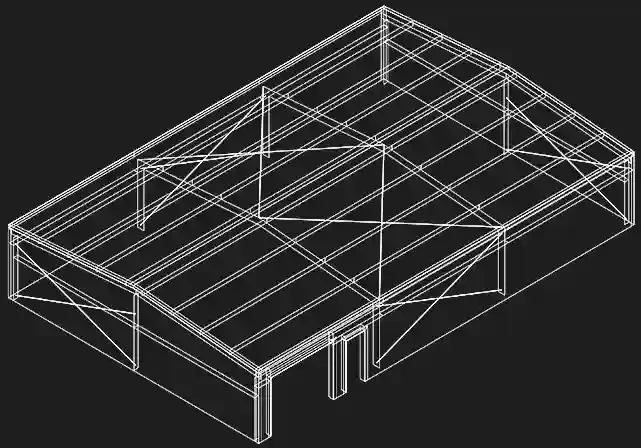
Bracing prevents swaying of prefabricated metal structures. Common systems include cross bracing (X-shaped steel rods), portal frames, and shear panels. Bracing transfers lateral force safely into the foundation.
Roof Design and Pitch
Different roof styles perform differently under snow and wind conditions. So, engineers have to focus on roof pitches because they influence drainage and load behavior.
Common pitches include:
- 1:12 (low slope)
- 3:12 (moderate slope)
- 4:12 or higher (steeper slope)
Steel Building Trusses
Steel building trusses distribute weight evenly across wide spans. They are triangular frameworks designed to transfer loads efficiently. Metal building trusses reduce material usage while maintaining strength. This makes them both economical and structurally reliable.
Why Steel Performs Better Than Other Materials
Cut to the chase, steel is strong because of its material properties. Here is a closer look at what we said just now.
High Strength-to-Weight Ratio
Structural steel commonly used in buildings has yield strengths of:
- 36 ksi (ASTM A36)
- 50 ksi (ASTM A572 Grade 50)
“Ksi” means thousands of pounds per square inch. This means steel can handle tremendous stress without failing. Compared to wood, steel is significantly stronger for the same cross-sectional size.
Ductility and Flexibility
Steel bends before it breaks; this property is called ductility. During storms or seismic activity, this flexibility helps absorb energy without sudden collapse.
Durability and Longevity
Galvanized coatings protect steel from corrosion. Many engineered steel buildings are designed to last 30 to 50 years with proper maintenance. They are also resistant to termites, mold, and rot.
Foundation and Anchoring – The Hidden Strength
A building is only as strong as its connection to the ground. If the foundation is weak, expecting a strong structure is living in a delusion. Here are some points to consider for a better foundation.
Concrete Slab Design
Typical residential slab thickness ranges from 4 to 6 inches. Rebar grids spaced at 12 to 18 inches help distribute the load.
Anchor Bolts and Base Plates
Anchor bolts often measure ½ inch to ¾ inch in diameter. Embedment depth may range from 4 to 8 inches, depending on load calculations. These anchors resist both uplift and lateral forces.
Soil Bearing Capacity
Soil must support the building’s weight, and a soil test ensures accurate design.
Typical soil bearing capacity ranges from:
- 1,500 psf for weaker soils
- 2,000–3,000 psf for firm soils
Engineering Standards and Building Codes
Engineering codes ensure safety. Avoiding them can put you in legal trouble. You might have to pay huge penalties for installing a structure in a restricted area. Here is what you must go through before buying a metal building.
- International Building Code (IBC): The IBC provides minimum design requirements for structural safety.
- ASCE 7 Standards: ASCE 7 defines load calculations for wind, snow, and seismic forces. These standards ensure consistent safety across regions.
- Local Code Variations: Some buildings may also qualify for local tax rebates if they meet energy efficiency or storm-resistance requirements. So always check local regulations.
Common Myths About Steel Building Strength
Some misconceptions are prevalent about metal buildings. They often stop you from making the right decision. Let’s know three of them in the space below.
“Steel Buildings Are Lightweight, So They Are Weak”
Lightweight does not mean weak. Strength depends on design and material grade.
“Wind Can Easily Lift Metal Roofs”
Properly engineered and anchored roofs are designed to resist uplift forces.
“Thicker Steel Always Means Stronger Building”
Thickness matters, but design, bracing, and load calculations matter more.
How Smart Design Brings Everything Together
The load pushes the structure down. Wind pushes sideways and upward. Design distributes forces from every side and anchors transfer forces into the ground. So, if a structure is made considering all the forces and stresses, it can easily serve owners for several years.
But for this, all components must work as a system. When buying a steel building, always review engineered drawings and certifications. Do not focus only on price, plan ahead at least 5-10 years, and avoid costly mistakes.
The Bottom Line
The science behind steel buildings is not complicated once you understand the basics.
Load, wind, and design work together like a chain. If one part is weak, the whole system suffers. But when engineering calculations follow recognized standards, steel buildings become one of the safest and most reliable construction solutions available today.
Strength is not just about thick steel. It is about smart engineering.
Looking for a metal building that fits your needs?
